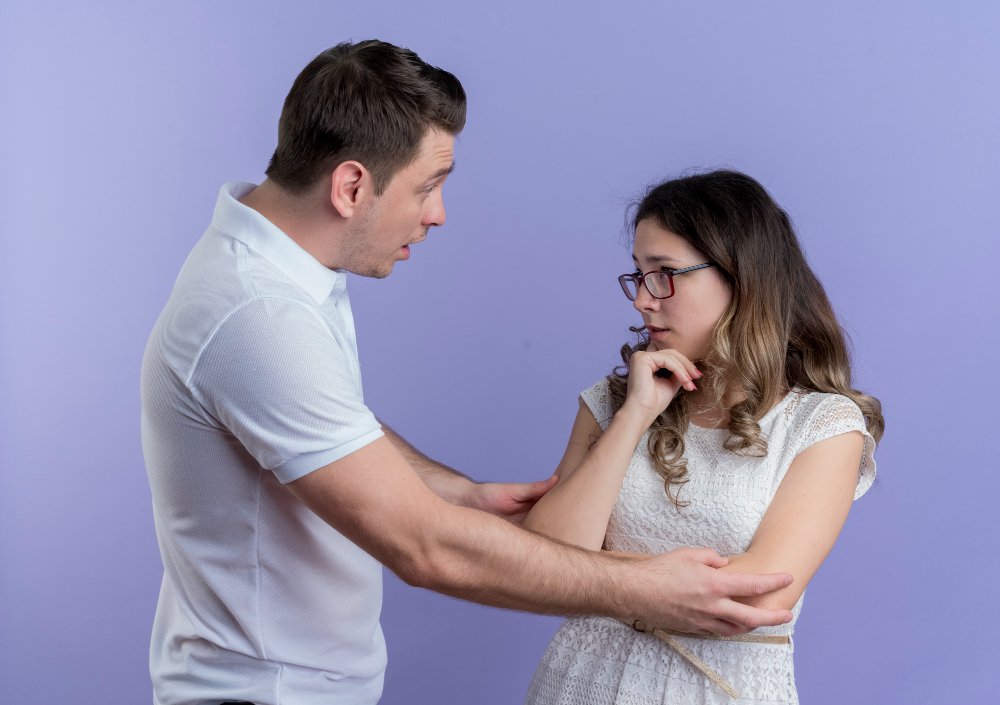
Separation is one of the most emotionally intense experiences a person can go through. It brings uncertainty, loss, and a flood of feelings that can be difficult to manage. In these moments, reactions often come quickly, without much thought. Later, when emotions settle, many people find themselves thinking, I wish I had paused.
This feeling of regret after reacting emotionally is more common than you might think. When emotions are overwhelming, your mind shifts into survival mode, making it harder to respond calmly or thoughtfully.
Understanding emotional reactions during separation can help you navigate this phase with more awareness and reduce the chances of acting in ways you may later regret.
Why Emotions Feel So Intense During Separation
Separation is not just about physical distance. It is an emotional shift that affects your sense of stability, identity, and security. Your mind is trying to process a significant change, which often leads to emotional separation and emotional overwhelm.
During this time, even small situations can trigger strong emotional responses. A message, a memory, or even silence can create a wave of feelings that feel urgent and difficult to control.
These emotional reactions during separation are not a sign of weakness. They are a natural response to loss and uncertainty. However, when these emotions are not managed, they can lead to impulsive actions and communication.
The Link Between Overwhelm and Reaction
When you are experiencing separation, emotional overwhelm, your brain prioritizes immediate emotional relief over long-term thinking. This means you may react quickly just to reduce the discomfort you are feeling.
This is where many people experience regret after reacting emotionally. In the moment, the reaction feels justified or necessary. But once the emotional intensity fades, you may realize that your response did not reflect your true intentions.
For example, you might send an emotional message, say something hurtful, or make a sudden decision. These actions often come from pain rather than clarity.
Recognizing this pattern is an important step toward gaining control over your reactions.
How To Control Emotional Reactions
Learning how to control your responses does not mean suppressing your emotions. It means creating space between what you feel and how you act.
The first step is awareness. Notice when your emotions start to rise. Physical signs like a racing heart, tension, or rapid thoughts can indicate that you are becoming overwhelmed.
When you recognize these signs, pause. Even a few minutes can make a difference. This pause allows your mind to shift from a reactive state to a more balanced one.
Breathing exercises can help calm your nervous system. Slow, deep breaths signal safety to your body and reduce the intensity of separation and emotional overwhelm.
Another helpful approach is to delay your response. If you feel the urge to react immediately, give yourself time. You can always respond later, but you cannot take back a reaction made in the heat of the moment.
Journaling your thoughts instead of expressing them instantly can also help. Writing allows you to process emotional reactions during separation without turning them into actions you might regret.
Why Regret Happens After Emotional Reactions
Regret often comes from a mismatch between your actions and your true values. When you react emotionally, your behavior is driven by temporary feelings rather than your deeper intentions.
Once the emotional wave passes, clarity returns. You begin to see the situation differently, which can lead to regret after reacting emotionally.
It is important to understand that regret is not a failure. It is a form of awareness. It shows that you are capable of reflection and growth.
Instead of being harsh on yourself, use regret as a learning experience. Ask yourself what triggered the reaction and how you can respond differently next time.
Building Emotional Awareness During Separation
Emotional awareness is key to managing emotional reactions during separation. It involves understanding your triggers, patterns, and responses.
Start by identifying situations that cause strong reactions. These could be conversations with your partner, certain memories, or feelings of loneliness.
Once you know your triggers, you can prepare for them. This reduces the intensity of separation and emotional overwhelm, and helps you stay more grounded.
Mindfulness practices can also improve emotional awareness. Being present in the moment allows you to observe your emotions without immediately reacting to them.
Over time, this awareness creates a sense of control and stability.
Choosing Response Over Reaction
The goal is not to eliminate emotions but to respond to them in a thoughtful way. When you choose to pause, you give yourself the opportunity to act with intention.
This shift from reaction to response is powerful. It helps you communicate more effectively, maintain your self-respect, and reduce regret after reacting emotionally.
It also supports healthier interactions during a difficult time. Separation can already be challenging, and thoughtful responses can prevent additional conflict.
Moving Forward With Clarity
Separation is a time of emotional adjustment, and it is natural to experience ups and downs. What matters is how you learn from these experiences.
Each time you pause before reacting, you strengthen your ability to handle emotional reactions during separation. Over time, this becomes a habit that supports your emotional well-being.
You may still experience moments of separation and emotional overwhelm, but they will feel more manageable. You will begin to trust yourself to respond in ways that align with your values.
FAQs
Why do I react so strongly during separation?
Separation creates emotional instability and uncertainty, leading to separation emotional overwhelm. This makes emotional reactions during separation more intense.
How can I avoid regret after reacting emotionally?
Pause before responding, practice breathing techniques, and give yourself time to process emotions. This reduces the chances of regret after reacting emotionally.
Is it normal to feel overwhelmed during separation?
Yes, emotional separation overwhelm is a natural response to loss and change. It is part of the healing process.
Can I control my emotional reactions completely?
You may not control emotions completely, but you can control how you respond. Awareness and practice help manage emotional reactions during separation.
What should I do after I regret my reaction?
Reflect on what triggered your response, learn from it, and approach future situations with more awareness. Regret after reacting emotionally can lead to personal growth.