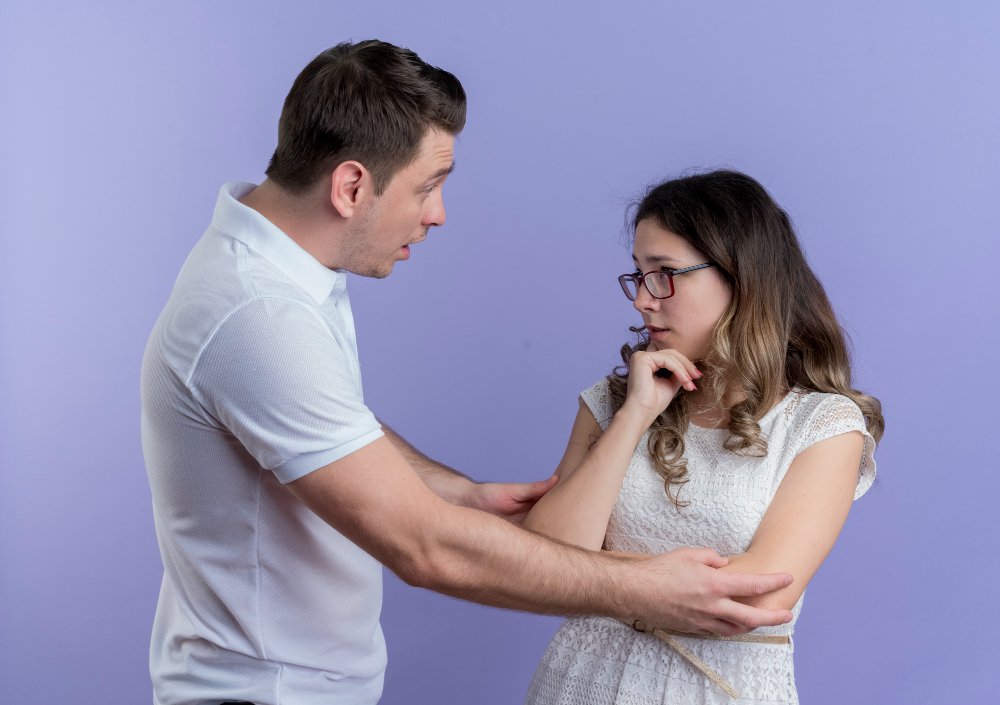
Divorce is painful under any circumstance, but an unwanted divorce can feel especially heartbreaking. When you never wanted the relationship to end, the emotional impact can feel overwhelming and deeply personal. It may leave you questioning your future, your self-worth, and the life you once imagined.
One of the hardest parts of an unwanted divorce is accepting a decision you did not choose. You may still love your partner, hope for reconciliation, or struggle to understand why the relationship ended. These emotions are normal and valid.
Although the process may feel impossible right now, healing and emotional recovery are possible. Understanding how to navigate this difficult period can help you move forward with strength and clarity.
How To Survive An Unwanted Divorce
Surviving an unwanted divorce begins with accepting your emotions instead of fighting them. Pain, sadness, anger, confusion, and fear are all common responses during this stage.
The goal is not to suppress your emotions but to process them in a healthy way. Coping with divorce becomes easier when you allow yourself the space to grieve the relationship and the future you expected.
Accept That Grief Is Part of Healing
An unwanted divorce often feels like a major emotional loss. You are not only losing a partner but also shared dreams, routines, and emotional security.
Common emotions during divorce recovery include:
- Shock and disbelief
- Sadness and loneliness
- Anger or resentment
- Anxiety about the future
- Emotional exhaustion
These feelings are a natural part of healing from divorce. Grieving does not mean you are weak. It means the relationship mattered to you.
Why Unwanted Divorce Feels So Painful
When a divorce is unwanted, there is often a feeling of loss of control. You may feel powerless because the decision was not yours.
This can make dealing with separation pain even more intense. Your mind may repeatedly search for answers, replay conversations, or wonder what could have been done differently.
Emotional Effects of an Unwanted Divorce
An unwanted divorce can affect emotional well-being in several ways:
- Lower self-confidence
- Fear of abandonment
- Difficulty trusting others
- Emotional overwhelm
- Stress and anxiety
Recognizing these effects can help you approach yourself with more compassion during emotional healing after divorce.
Stop Blaming Yourself
One of the biggest challenges during divorce recovery is self-blame. Many people believe they failed or were not enough.
However, relationships are complex. A marriage ending does not define your value as a person.
Remind Yourself of These Truths
- Your worth is not based on someone staying
- You cannot control another person’s decisions
- Healing from divorce takes time
- Emotional pain is temporary, even if it feels permanent now
Self-compassion plays a major role in emotional healing after divorce.
Focus on Emotional Recovery
Healing emotionally should become your priority during this time. Emotional recovery is not about pretending everything is fine. It is about slowly rebuilding emotional stability and inner strength.
Healthy Ways to Support Emotional Healing
Create Healthy Daily Routines
Simple routines provide structure during emotionally difficult periods.
Focus on:
- Regular sleep
- Healthy meals
- Physical movement
- Quiet time for reflection
These habits support coping with divorce and reduce emotional overwhelm.
Allow Yourself to Feel Emotions
Suppressing emotions may delay healing from divorce. Allow yourself to cry, reflect, and process your feelings without judgment.
Avoid Making Impulsive Decisions
Pain can sometimes lead to emotional reactions or rushed decisions. Give yourself time before making major life changes.
Build a Support System
You do not have to go through an unwanted divorce alone. Support from trusted people can make a significant difference.
Sources of Emotional Support
- Close friends or family
- Support groups
- Professional counseling
- Trusted mentors or guides
Talking openly about your emotions can reduce the intensity of dealing with separation pain and help you feel less isolated.
Let Go of the Need for Immediate Answers
After an unwanted divorce, many people search for closure immediately. They want explanations that make the pain easier to understand.
However, not every question will have a satisfying answer.
Sometimes healing begins when you stop trying to fully understand everything and instead focus on caring for yourself in the present moment.
Rediscover Yourself After Divorce
An unwanted divorce can leave you feeling disconnected from yourself. This period, although painful, can also become a time of self-discovery.
Ways to Reconnect With Yourself
- Revisit hobbies or interests
- Set personal goals
- Spend time in peaceful environments
- Learn new skills or activities
- Focus on emotional growth
Divorce recovery is not just about moving on from the relationship. It is also about rebuilding your identity and confidence.
Give Yourself Permission To Heal Slowly
Healing from divorce is not linear. Some days will feel easier than others. You may experience emotional ups and downs for a while, and that is completely normal.
Do not pressure yourself to heal quickly or appear strong all the time.
True emotional healing after divorce happens gradually through patience, self-care, and emotional awareness.
Hope Exists Beyond the Pain
Right now, your unwanted divorce may feel like the end of everything familiar. But with time, emotional pain becomes lighter, and clarity slowly returns.
You will not always feel this overwhelmed. Healing is possible, even when it feels difficult to imagine.
This chapter may not have been your choice, but it does not define your future. You still have the ability to create a meaningful, fulfilling, and emotionally healthy life moving forward.
FAQs
What is an unwanted divorce?
An unwanted divorce happens when one partner wants to end the marriage while the other wants to stay together.
How do I cope with an unwanted divorce emotionally?
Coping with divorce involves allowing yourself to grieve, seeking support, building healthy routines, and focusing on emotional healing after divorce.
How long does divorce recovery take?
Divorce recovery is different for everyone. Healing depends on emotional support, self-awareness, and personal circumstances.
Why is dealing with separation pain so difficult?
Dealing with separation pain is challenging because divorce affects emotional attachment, identity, routines, and future expectations.
Can I fully heal from an unwanted divorce?
Yes, healing from divorce is possible with time, emotional support, and self-compassion. Emotional recovery happens gradually.