
A Safety & Support Resource · For Women
If You Are Facing Domestic Violence
A gentle, practical guide to help you find safety, understand your rights, and reach the people ready to support you — one small step at a time. You are not alone.
- Private & confidential — press Esc twice, or tap Quick Exit, to leave this page instantly.
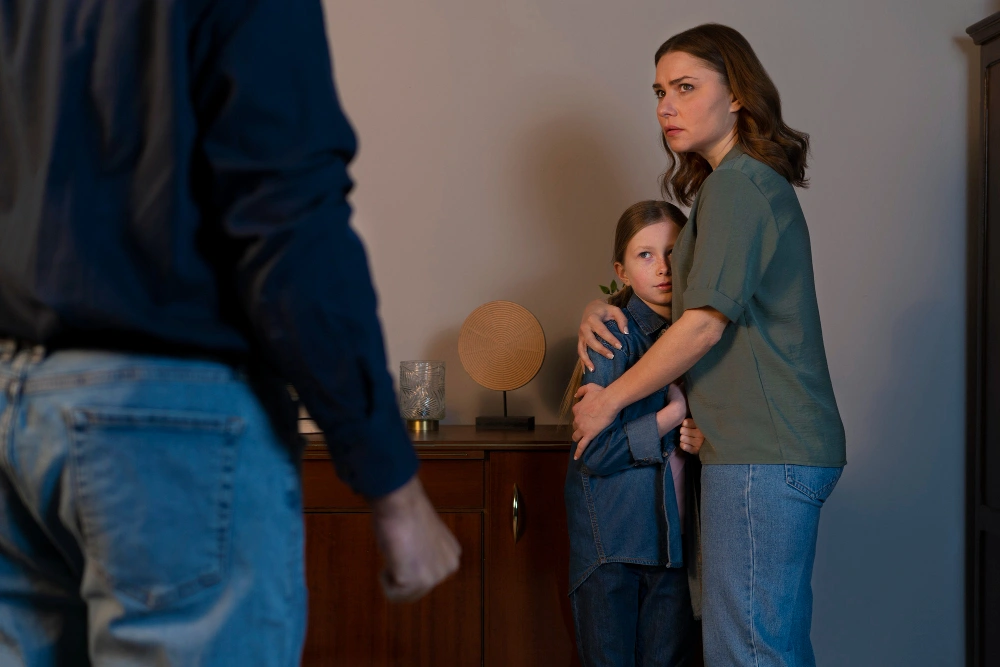
You Are Not Alone
A Note Before You Begin
If you are reading this, you may be living in a situation where you no longer feel safe, respected, or emotionally secure. Perhaps your relationship is filled with constant arguments, emotional abuse, financial control, threats, intimidation, or physical violence. You may feel confused, exhausted, or unsure of what to do next.
Before anything else, we want you to know this:
You are not alone.
Many women silently endure abuse because they are afraid of what might happen, financially dependent on their partner, concerned about their children, or hoping that things will eventually get better. These feelings are more common than you may realise, and they do not make you weak.
If you are searching for domestic violence help for women, you’ve already taken an important first step. Seeking information does not mean you have to make any immediate decisions—it simply means you are giving yourself the opportunity to understand your options.
Whatever you are experiencing, your feelings are valid. You do not have to decide today whether to stay, leave, file a complaint, or take legal action. Right now, your safety, your well-being, and your peace of mind matter most.
Take one step at a time. Support is available, and there are people who will listen, guide you, and help you move forward when you are ready.
Understanding Abuse
What Is Domestic Violence?
Domestic violence is a pattern of abusive behaviour used to control, intimidate, or harm a partner or family member. While physical violence is the most visible form of abuse, domestic violence includes many other behaviours that affect a woman’s emotional, financial, and psychological well-being.
Many women experiencing intimate partner violence do not immediately recognise the abuse because it often begins with subtle controlling behaviours that gradually become more severe.
Domestic violence may include:

Emotional Abuse
Emotional abuse can slowly damage your confidence and mental health. Some common emotional abuse signs include:
• Constant criticism
• Humiliation and insults
• Name-calling
• Gaslighting that makes you question your reality
• Threats and intimidation
• Isolation from family and friends
• Manipulation and controlling behaviour
Although emotional abuse leaves no visible scars, it can have long-lasting psychological effects.
Financial Abuse
Financial abuse in marriage is one of the most common yet least recognised forms of domestic violence. Examples include:
• Controlling your income or salary
• Denying access to bank accounts
• Preventing you from working
• Monitoring your spending
• Creating financial dependence
• Hiding financial information or assets
• Manipulation and controlling behaviour
Financial control often makes women feel trapped, but understanding your finances and taking small steps toward independence can create future opportunities.
Verbal Abuse
Verbal abuse may include:
• Yelling
• Insults
• Threats
• Intimidation
• Constant blaming
Repeated verbal abuse can significantly affect self-esteem and emotional well-being.
Physical Abuse
Physical violence includes any unwanted physical force, such as:
• Slapping
• Pushing
• Hitting
• Kicking
• Choking
• Throwing objects
• Sexual
• Any form of physical assault
If you are experiencing physical violence, your immediate safety should always come first.
Digital Abuse
Technology is increasingly being used as a tool of control. Digital abuse may include:
• Monitoring your phone
• Reading your private messages
• Tracking your location
• Controlling your online accounts
• Monitoring social media activity
Although emotional abuse leaves no visible scars, it can have long-lasting psychological effects.
Do Not Wait
If You Are in Immediate Danger
If you or your children are at immediate risk, do not wait.

Emergency Numbers in India
If it is safe to do so:
• Leave the house immediately.
• Go to a trusted friend or family member.
• Visit the nearest police station.
• Contact a women's shelter.
• Seek medical attention if you have been injured.
Your safety always comes before everything else.
Prepare for Your Safety
Create Your Personal Safety Plan
You do not need to make every decision today. Instead, focus on preparing for your safety.
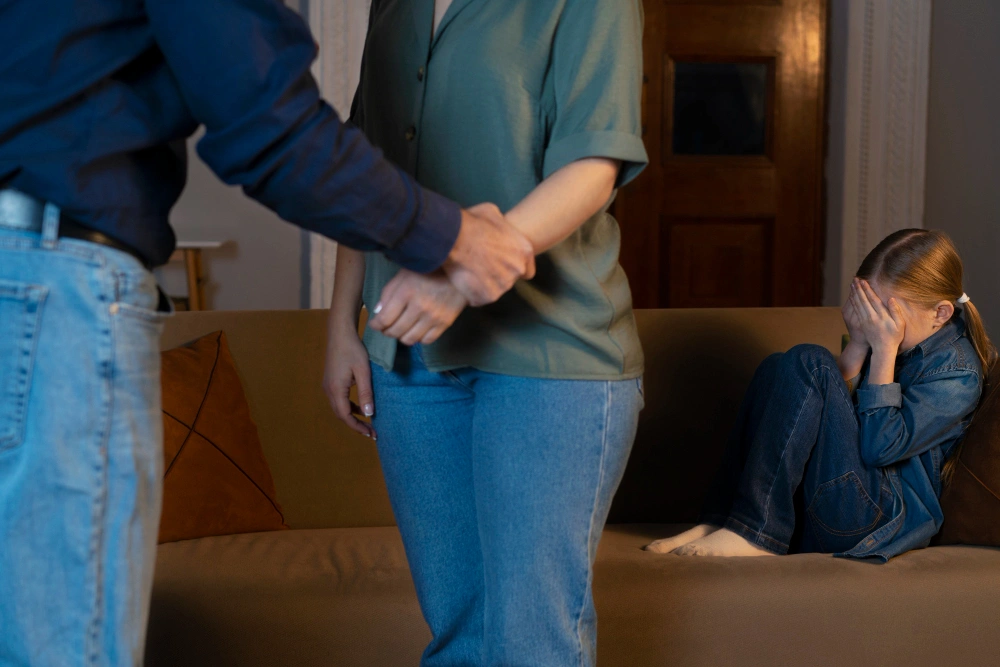
Identify Safe People
Make a list of people you trust, including:
• Family members
• Friends
• Neighbours
• Your lawyer
• A counsellor
Keep their contact numbers easily accessible.
Identify Safe Places
Know where you can go if you need to leave quickly. Safe places may include:
• A family member's home
• A trusted friend's house
• A woman's shelter
• A nearby public place
• A police station
Prepare an Emergency Bag
Keep a bag ready with essential documents and belongings. Include:
• Aadhaar Card
• PAN Card
• Passport
• Marriage certificate
• Children's documents
• Bank details
• Medicines
• Mobile charger
• Cash
• House and vehicle keys
Having these essentials ready can save valuable time during an emergency.
Document the Abuse
If it is safe, begin documenting incidents. Keep records of:
• Dates and times
• What happened
• Photographs of injuries or damage
• Medical reports
• Text messages
• Emails
• Voice recordings were legally permitted
• Witness information
These records may become important if you decide to seek legal protection later.
Protect Yourself Financially
Taking small financial steps today can increase your choices tomorrow. Consider:
• Opening a bank account in your own name
• Building an emergency fund
• Learning about family finances
• Saving copies of financial documents
• Understanding loans, insurance, investments, and property ownership
Financial independence can make future decisions easier.
You can build your safety plan quietly, one small step at a time.
Know Your Rights
Know Your Rights Under the Domestic Violence Act of India
The Domestic Violence Act of India, officially called the Protection of Women from Domestic Violence Act, 2005, provides legal protection for women facing abuse.
Depending on your circumstances, you may be entitled to seek:
Protection Orders
Residence rights
Maintenance
Child custody-related relief
Compensation in certain situations
Speaking with a qualified lawyer can help you understand the legal options available to you.
Gentle Guidance
Protecting Children from Domestic Violence
Children who witness violence often experience emotional and psychological trauma, even if they are not physically harmed.
Protecting children from domestic violence means creating a safe environment where they can feel secure and supported.
If children are involved:
Prioritise their immediate safety.
Keep copies of their important documents.
Seek counselling if they show signs of fear or anxiety.
Consult a legal professional regarding custody or protection if necessary.
Helping children heal is an important part of rebuilding your family’s future.
One Step at a Time
Domestic Violence Recovery Starts One Step at a Time
Healing after abuse is not a race. Every woman’s journey is different.
Domestic violence recovery involves rebuilding your confidence, emotional health, financial independence, and sense of self.
Recovery may include:
Individual counselling
Trauma-informed coaching
Support groups
Mental health therapy
Financial planning
Building healthy relationships
Learning to set boundaries
Speaking with a qualified lawyer can help you understand the legal options available to you.
Remember, healing is possible, and you deserve a life free from fear.
Reaching Out Is Strength
Domestic Violence Support and Legal Resources
Seeking domestic violence support is a sign of strength, not weakness. Many organisations provide emotional support, legal guidance, counselling, shelter, and rehabilitation services.

Majlis
Provides legal support, court representation, women's rights advocacy, and protection order assistance.
Phone:+91 75067 32641
Email:majlislaw@gmail.com
SNEHA
Offers crisis intervention, domestic violence counselling, emotional support, mental health support, and legal referrals.
Domestic Violence Crisis Helpline:9892278287
Mental Health Helpline:8976994777
Email:crisis@snehamumbai.org
Shantighar
Provides emergency shelter, rehabilitation, counselling, and safe accommodation.
Helpline:8828365666
Sakhi One Stop Centre
Provides police assistance, medical care, counselling, temporary shelter, and legal aid for women in India.
Women’s Helpline:181
Mumbai Centre:022-22027050
Dilaasa Crisis Intervention Centres
Supports women through hospital-based services, medical documentation, counselling, and legal referrals.
Violence Helpline:9029073154
Phone:022-26673571
Stree Mukti Sanghatana
Provides family counselling, women's empowerment programmes, rehabilitation, shelter support, and skill development.
Apnalaya Family Counselling Centre
Offers family counselling and community-based support.
Mobile:9833041074
Phone:022-23539752
Email:admin@apnalaya.org
District Legal Services Authority
Provides free legal aid for women in India, legal advice, court representation, and legal assistance.
Mumbai City:022-26402175
Mumbai Suburban:022-26401240
Toll-Free:1800 22 23 24
From the Heart
A Personal Note From Aparnaa
If you have been living in an abusive environment for a long time, you may find yourself doubting your own thoughts, questioning your decisions, feeling guilty, or even missing the person who has hurt you. These feelings are more common than many people realise.
Be gentle with yourself.
You do not need to have every answer today.
Take one step.
Then another.
And then another.
You deserve safety.
You deserve respect.
You deserve peace.
If you are looking for domestic violence help for women, remember that reaching out is the first step toward a safer future. You do not have to walk this journey alone.
Speaking with a qualified lawyer can help you understand the legal options available to you.
Questions Women Often Ask
Frequently Asked Questions
Domestic violence includes physical, emotional, financial, verbal, sexual, and digital abuse used to control or harm a partner or family member.
Common emotional abuse signs include gaslighting, manipulation, insults, threats, constant criticism, isolation, and controlling behaviour.
Intimate partner violence refers to abusive behaviour by a spouse or partner that may involve physical violence, emotional abuse, financial control, or coercive behaviour.
Women may seek Protection Orders, residence rights, maintenance, child-related relief, and compensation under the Protection of Women from Domestic Violence Act, 2005.
Financial abuse includes controlling money, preventing employment, restricting access to bank accounts, or forcing financial dependence.
Recovery begins by ensuring your safety, seeking emotional support, understanding your legal rights, and accessing professional counselling or coaching.
Support is available through women’s shelters, counselling centres, legal aid organisations, crisis helplines, hospitals, and community support groups.
Yes. The District Legal Services Authority and several women’s organisations provide free or affordable legal assistance to eligible women.
Ensure their immediate safety, seek counselling if needed, document incidents, and obtain legal advice regarding child protection and custody.
If you are in immediate danger, call 112, 100, 181, or 1091 for emergency assistance and support.