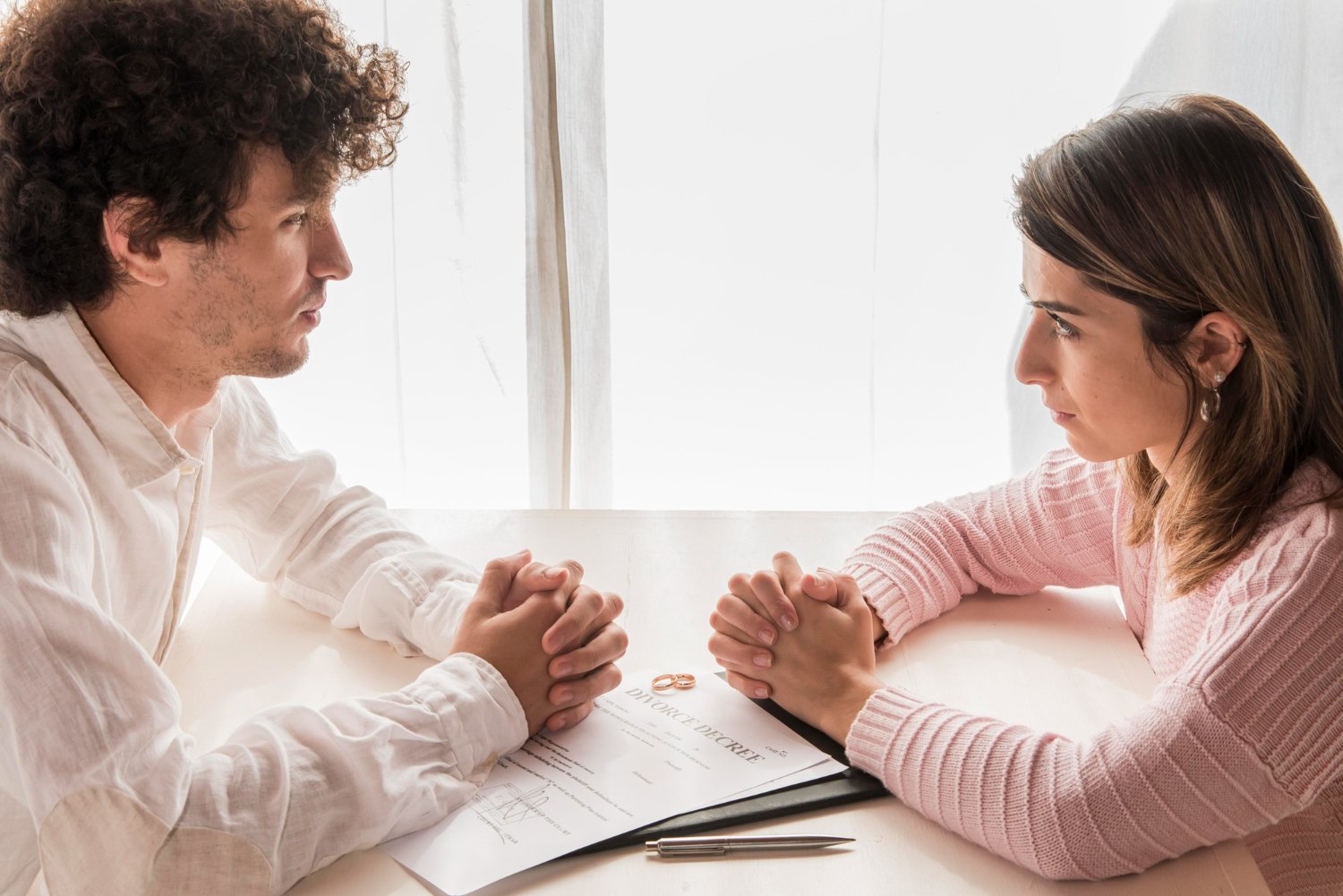
Separation can feel like your entire world has been turned upside down. Many women enter this phase believing they just need to “get through it.” They focus on surviving each day, pushing emotions aside, and trying to function as best as they can.
But survival mode is not healing.
If you are constantly trying to just cope, you may feel stuck, drained, and disconnected from yourself. The truth is, there is a more empowering way to move forward. Instead of only coping with separation, you can begin to rebuild, reconnect, and rediscover who you are.
This shift from surviving to healing is what truly transforms your life after separation.
How to Deal With Separation
Most people approach separation with the mindset of endurance. They believe that time alone will fix everything. While time plays a role, what you do during that time matters even more.
Coping with separation often starts with managing daily responsibilities and emotional pain. But if you stay in this phase for too long, it can prevent deeper emotional healing after separation.
To truly move forward, you need to move beyond just coping and start engaging with your emotions in a healthy way. This means allowing yourself to feel, process, and understand what you are going through instead of avoiding it.
Learning how to deal with separation is about shifting from avoidance to awareness.
Why Survival Mode Keeps You Stuck
Survival mode is your mind’s way of protecting you from overwhelming pain. It helps you get through difficult days, but it is not meant to be a long-term state.
When you are only focused on coping with separation, you may suppress emotions, distract yourself constantly, or avoid thinking about the future. While this may provide temporary relief, it often delays emotional healing after separation.
Over time, unprocessed emotions can resurface in the form of anxiety, confusion, or emotional exhaustion.
This is why many women feel like they are not making progress, even months after separation. They are surviving, but not truly healing.
What to Do Instead of Just Surviving
The key to transformation lies in shifting your focus. Instead of asking, “How do I get through this?” start asking, “How do I grow through this?”
Begin by creating space for your emotions. Emotional healing after separation requires honesty with yourself. Allow yourself to feel sadness, anger, or even relief without judgment.
Next, reconnect with your identity. Many women lose a sense of self during relationships. Life after separation for women is an opportunity to rediscover your interests, values, and goals.
Ask yourself what you truly want moving forward. This is your chance to redefine your life on your own terms.
Taking small, intentional steps can help you move from survival to growth.
Rebuilding Your Life After Separation
Rebuilding does not happen overnight. It is a gradual process that requires patience and self-compassion.
Start by focusing on stability. Create routines that support your physical and emotional well-being. This can include regular sleep, healthy habits, and meaningful activities.
As you begin to feel more grounded, you can start exploring new opportunities. Life after separation is not just about moving on. It is about creating a life that feels aligned with who you are now.
For many, life after separation for women becomes a period of personal growth, independence, and self-discovery.
This phase can be challenging, but it can also be deeply empowering.
The Importance of Emotional Healing
Emotional healing after separation is not about forgetting the past. It is about understanding it and learning from it.
Take time to reflect on your experiences. What did the relationship teach you? What patterns do you want to change moving forward?
This reflection helps you grow and prevents you from repeating the same cycles.
Coping with separation becomes easier when you actively engage in your healing process rather than avoiding it.
Seeking support can also make a big difference. Whether it is through friends, family, or professional guidance, having someone to talk to can provide clarity and comfort.
Letting Go of the Survival Mindset
Letting go of survival mode means accepting that you deserve more than just getting by. You deserve to feel fulfilled, peaceful, and emotionally secure.
This shift requires a change in perspective. Instead of seeing separation as an ending, start seeing it as a new beginning.
Separation advice for women often focuses on strength and independence. While these are important, true strength comes from emotional awareness and self-acceptance.
When you stop trying to survive and start focusing on healing, you create space for growth, joy, and new possibilities.
Moving Forward With Confidence
Life after separation can feel uncertain, but it is also full of potential. Every step you take toward healing brings you closer to a stronger, more confident version of yourself.
You are not defined by your past relationship. You are defined by how you choose to move forward.
By shifting your focus from coping with separation to actively rebuilding your life, you give yourself the opportunity to thrive.
This is your time to create a life that truly reflects who you are and what you want.
FAQs
How do I start coping with separation in a healthy way?
Start by acknowledging your emotions instead of suppressing them. Create routines, seek support, and focus on small steps toward emotional healing after separation.
How long does emotional healing after separation take?
Healing is different for everyone. It depends on your experiences, support system, and how actively you engage in the healing process.
What is life after separation for women like?
Life after separation for women can be a period of growth, independence, and self-discovery. While it may feel difficult at first, it often leads to a more fulfilling life.
Why do I feel stuck even after months of separation?
You may still be in survival mode. Moving beyond coping with separation and focusing on deeper healing can help you feel more progress.
What is the best separation advice for women?
Focus on self-awareness, emotional healing, and rebuilding your identity. Give yourself time and be patient with the process.