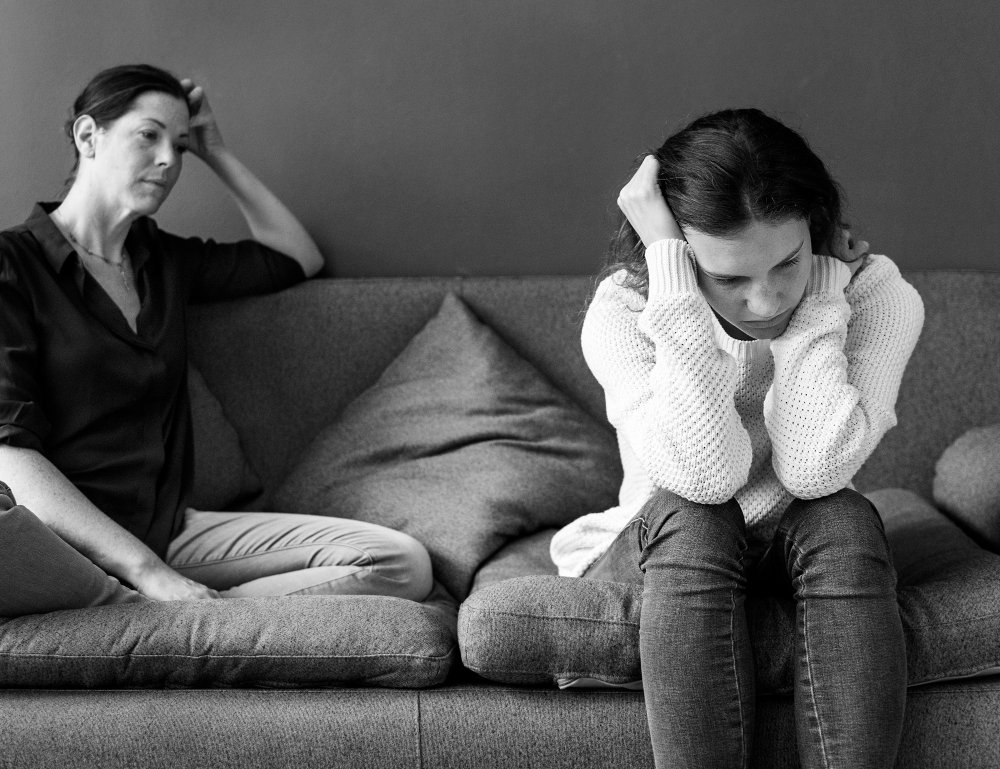
Divorce changes everything. It is not just the end of a relationship, it is the end of a shared identity, routine, and future you once imagined. In the middle of this emotional shift, many people feel an intense urge to move on quickly, to feel better fast, and to rebuild life immediately.
While this instinct is understandable, rushing your healing after divorce can do more harm than good. What may seem like strength or progress can actually delay true recovery and create deeper emotional struggles later.
If you are navigating life after divorce, it is important to understand why slowing down your healing process is not a weakness but wisdom.
The Pressure to Move On Quickly
Society often sends subtle messages about how quickly you should recover. You may hear things like stay strong, focus on the future, or do not dwell on the past. While these intentions may be supportive, they can create pressure to suppress emotions.
During divorce recovery, this pressure can lead you to skip essential emotional processing. You may distract yourself with work, social life, or new relationships in an attempt to avoid pain.
However, coping with divorce is not about how fast you move on. It is about how deeply you allow yourself to process what has happened.
Why Rushing Healing Can Backfire
When you rush emotional healing after divorce, you are essentially avoiding the feelings that need attention. Pain, grief, anger, and confusion do not disappear just because you ignore them.
Instead, they stay beneath the surface and often return in unexpected ways. You may find yourself feeling emotionally drained, disconnected, or triggered by small things long after the divorce is finalized.
This is because healing after divorce requires time and space. When you skip this process, you carry unresolved emotions into the next phase of your life.
True divorce recovery is not about speed. It is about completeness.
The Emotional Layers of Divorce
Divorce is not a single emotion. It is a mix of grief, loss, relief, fear, and sometimes even guilt. Each of these emotions needs to be acknowledged and processed.
In life after divorce, you may experience emotional ups and downs that feel confusing. One day you may feel strong and independent, and the next day you may feel deeply vulnerable.
This emotional fluctuation is normal. It is part of emotional healing after divorce. When you rush, you deny yourself the opportunity to fully understand and release these layers.
Allowing yourself to feel these emotions does not make you weak. It makes your healing more authentic and lasting.
The Illusion of Being “Over It”
One of the biggest risks of rushing healing after divorce is creating the illusion that you are completely fine. You may appear strong on the outside while struggling internally.
This disconnect can lead to patterns such as emotional numbness, avoidance, or repeating unhealthy relationship dynamics.
In coping with divorce, it is important to be honest with yourself. Healing is not about pretending to be okay. It is about actually becoming okay over time.
The more you allow yourself to process your emotions, the less likely they are to control your future decisions.
Why Slowing Down Helps You Heal Better
Slowing down your healing process allows your mind and body to adjust naturally. It gives you the space to reflect, understand, and grow from your experience.
During divorce recovery, slowing down helps you reconnect with yourself. You begin to rediscover your identity outside of the relationship.
In life after divorce, this self awareness becomes the foundation for building a healthier and more fulfilling future.
Healing after divorce is not a race. It is a journey that unfolds at its own pace. When you respect this pace, you create room for genuine transformation.
Healthy Ways to Support Your Healing
Instead of rushing, focus on creating a supportive environment for your healing. Start by allowing yourself to feel without judgment. Emotions are not problems to fix. They are experiences to understand.
Develop simple routines that bring stability to your day. This could include regular sleep, mindful activities, or spending time with supportive people.
Journaling can be a powerful tool during emotional healing after divorce. Writing down your thoughts helps you process feelings and gain clarity.
Seek professional or emotional support if needed. Talking to someone who understands your journey can make coping with divorce feel less overwhelming.
Most importantly, be patient with yourself. Healing after divorce takes time, and every step forward matters.
Rebuilding Yourself After Divorce
Divorce is not just an ending. It is also a beginning. It gives you the opportunity to rebuild your life in a way that aligns with who you truly are.
In life after divorce, you have the chance to redefine your values, priorities, and goals. This process cannot be rushed.
When you take the time to heal properly, you create a stronger emotional foundation. This not only improves your relationship with yourself but also influences your future relationships.
Divorce recovery becomes more meaningful when it is approached with patience and self awareness.
Moving Forward Without Pressure
It is natural to want to feel better quickly, but healing is not something you can force. The more you try to rush it, the more resistance you may feel internally.
Instead of asking how fast you can move on, ask yourself how deeply you can heal.
Emotional healing after divorce is about giving yourself permission to take your time. It is about honoring your emotions and trusting your process.
When you stop rushing, you start healing in a way that truly supports your long-term well-being.
FAQs
How long does the healing after divorce take?
There is no fixed timeline. Healing after divorce depends on your emotional experience, support system, and how deeply you process your feelings.
Is it normal to feel stuck during divorce recovery?
Yes, it is completely normal. Feeling stuck often means you are processing deeper emotions. It is part of coping with divorce.
Why do I feel okay some days and not others?
Emotional ups and downs are common in life after divorce. Healing is not linear, and fluctuations are part of emotional healing after divorce.
Can rushing healing affect future relationships?
Yes, unresolved emotions can carry into new relationships. Taking time for proper divorce recovery helps build healthier connections in the future.
What is the best way to cope with divorce?
The best approach is to allow your emotions, seek support, and give yourself time. Coping with divorce becomes easier when you do not pressure yourself to heal quickly.